© Laurence Godart
The place
“In Milly, I found the rarest thing in the world: a frame.” — Jean Cocteau
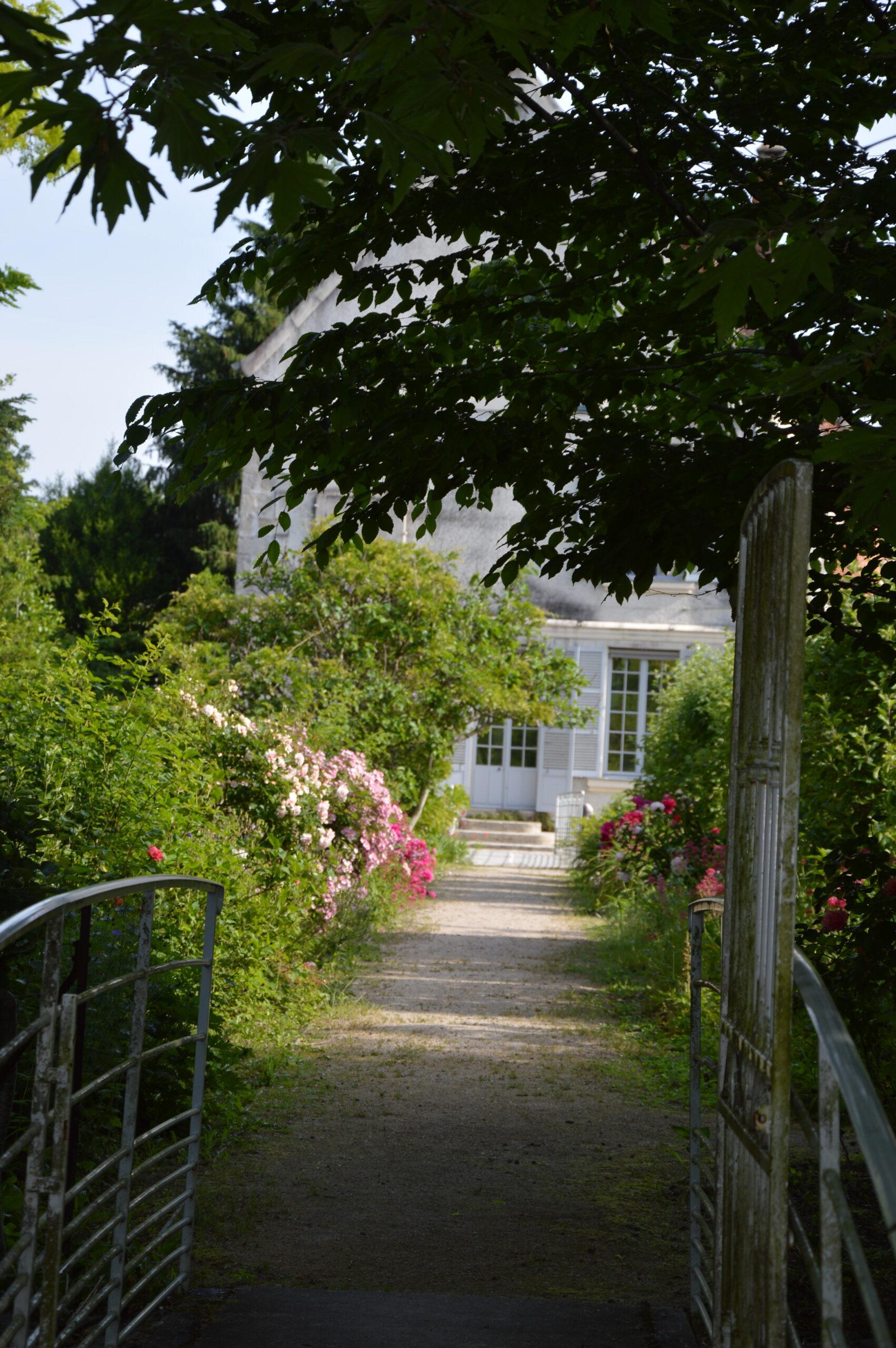
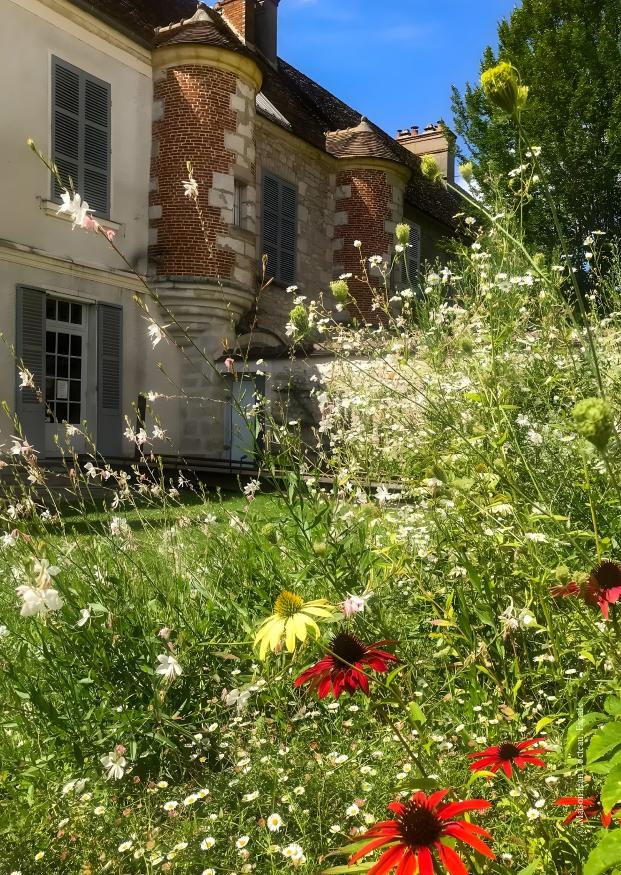
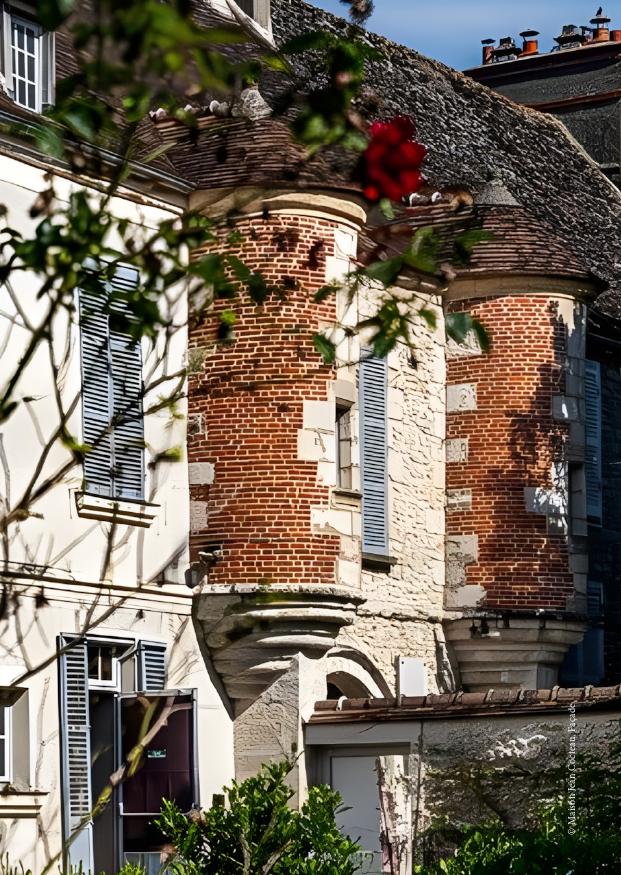
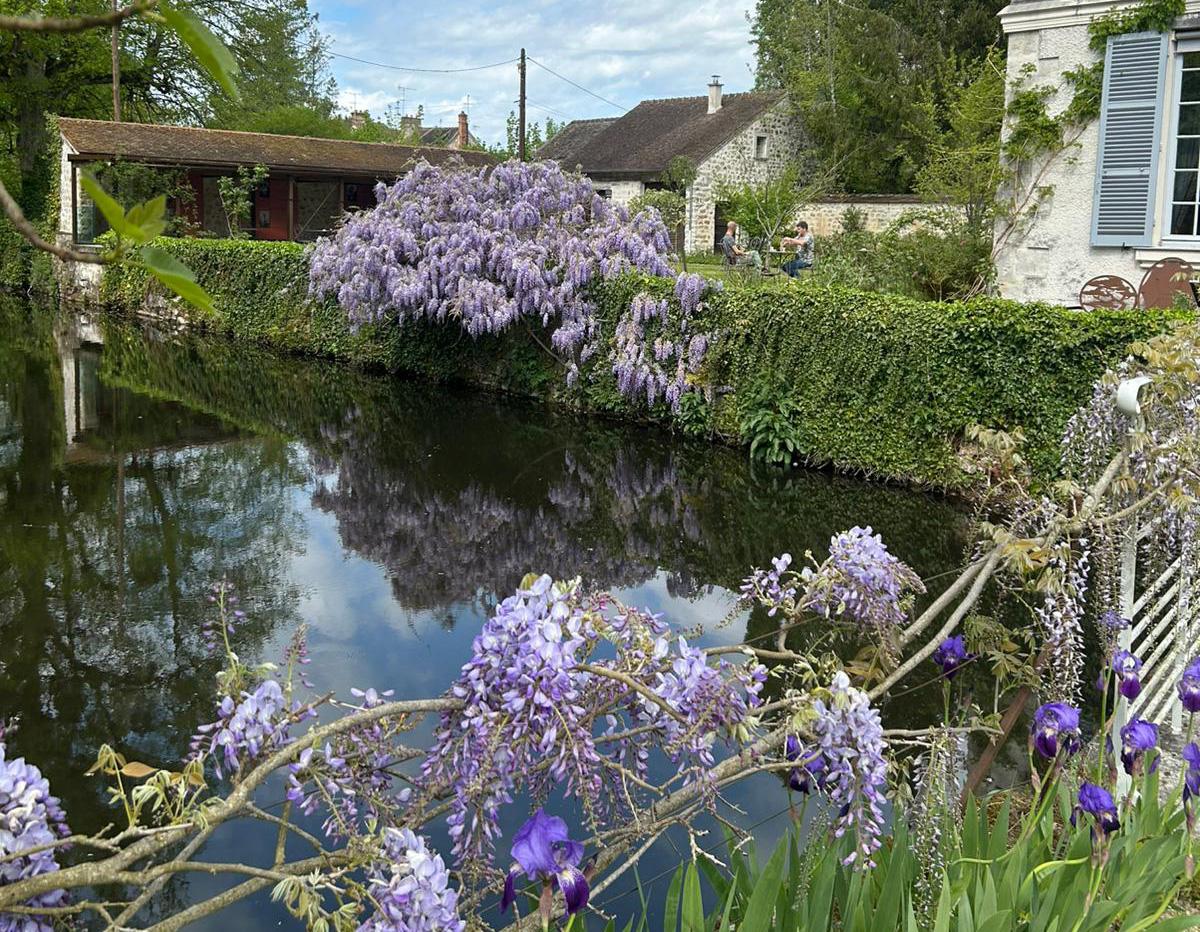
In 1946, as filming wrapped on La Belle et la Bête, Jean Cocteau longed to leave Paris behind and find a refuge in the countryside. Jean Cocteau and Jean Marais visited the property and, captivated, acquired it. Once the former outbuildings of the Château de la Bonde, built starting in the 13th century, the House is a handsome 17th-century dwelling built of local stone, encircled by a garden crossed by canals. It forms the southern wing of a larger structure that once served as the château’s entrance from the town. The finely kept façade on the rue du Lau features two vaulted doorways framed by two corbelled turrets of brick and stone.
1947–1963: Jean COCTEAU
“This was the house that had been waiting for me… It shows me the example of the absurd stubbornness of plants… The water of the moat and the sun paint their shifting false marbles on the walls of my room.”
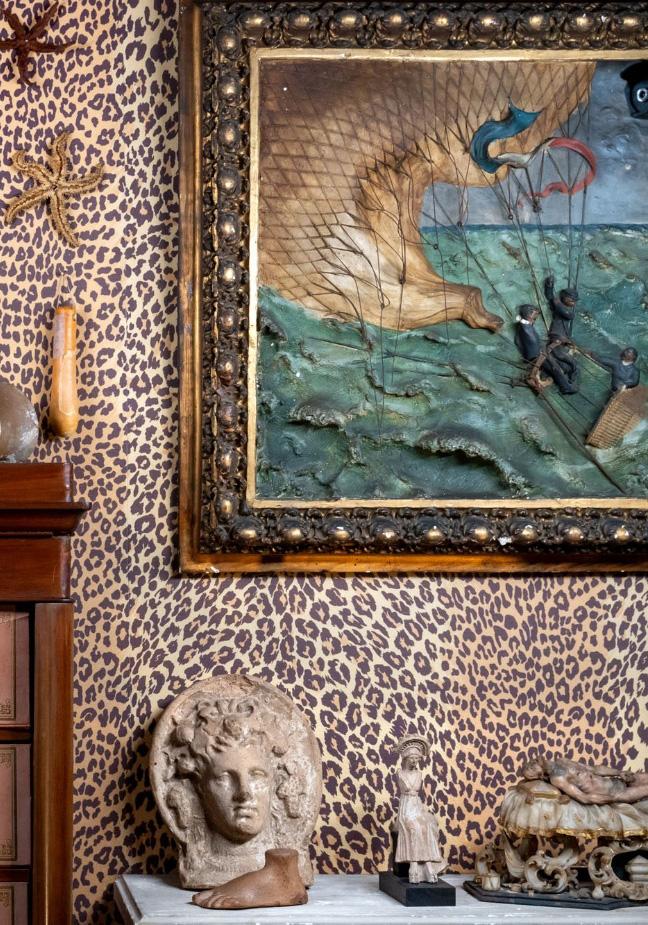
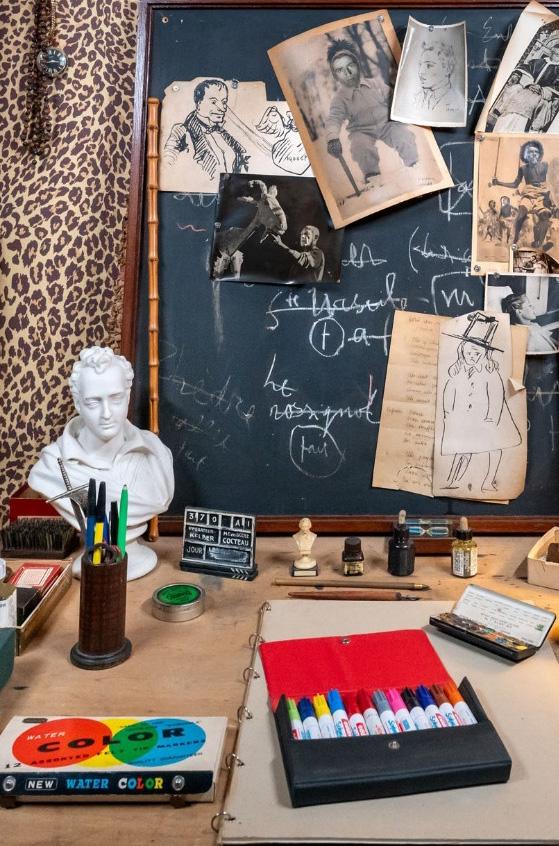
In 1947, Jean Cocteau moved into the House at Milly-la-Forêt, while keeping his Parisian apartment at the Palais Royal. With the help of his friend Madeleine Castaing, a decorator, he furnished his living quarters. The ground-floor sitting room reveals an eclectic, poetic world — intimate, yet wide open to the outdoors. Upstairs, the bedroom, entirely papered in leopard print, and the adjoining antechamber that serves as a study, offer glimpses of the thick walls and towers of the neighboring château — a quiet nod to the enchanted world of La Belle et la Bête. For the last sixteen years of his life, until his death in 1963, Jean Cocteau lived and worked there, welcomed his friends, and took part in the life of the village.
© Maison Jean Cocteau
© Laurence Godart
© Laurence Godart
1963–2002: Édouard Dermit and his sons
Édouard Dermit (1925–1995) met Jean Cocteau in 1940 and came to work at his side in Milly, first as a gardener. In Cocteau’s company, he became an actor and painter, occupying a truly singular place beside the poet. Regarded as his adopted son, he inherited the House upon Jean Cocteau’s death, and carefully preserved the living rooms just as they were, filled with the furniture and objects that had surrounded the poet — safeguarding his world intact. Dermit died in 1995. His two sons inherited the House, bound by the obligation to keep Jean Cocteau’s legacy untouched.
2002–2019: Pierre Bergé and the Association Maison Jean Cocteau
Determined to preserve this exceptional heritage, and at the initiative of Pierre Bergé, the association acquired the House in 2002, with the support of local authorities. A patron and admirer of Jean Cocteau, Bergé undertook extensive restoration work on the House, carried out from 2005 to 2010, with the support of local authorities, in order to open it to the public. The House was awarded the Maison des Illustres label, bringing the singular world Jean Cocteau had created into the public domain.
Since 2019: The Île-de-France Region
Upon Pierre Bergé’s death in 2017, the Île-de-France Region, under the leadership of its president Valérie Pécresse, agreed to take on responsibility for the House, carrying forward its predecessors’ mission of making it a place of memory and of influence for Jean Cocteau’s work. The Region took the initiative to establish the Groupement d’intérêt public (GIP) Maison Jean Cocteau in 2019, together with the Department of Essonne, the Town of Milly-la-Forêt, the Regional Tourism Committee, and the Centre Pompidou, to oversee the House’s opening to the public.
© Laurence Godart
© Laurence Godart
© Frédéric Beauclair
© Frédéric Beauclair
© Frédéric Beauclair
© Frédéric Beauclair
© Frédéric Beauclair
© Frédéric Beauclair

© Maison Jean Cocteau
© Maison Jean Cocteau
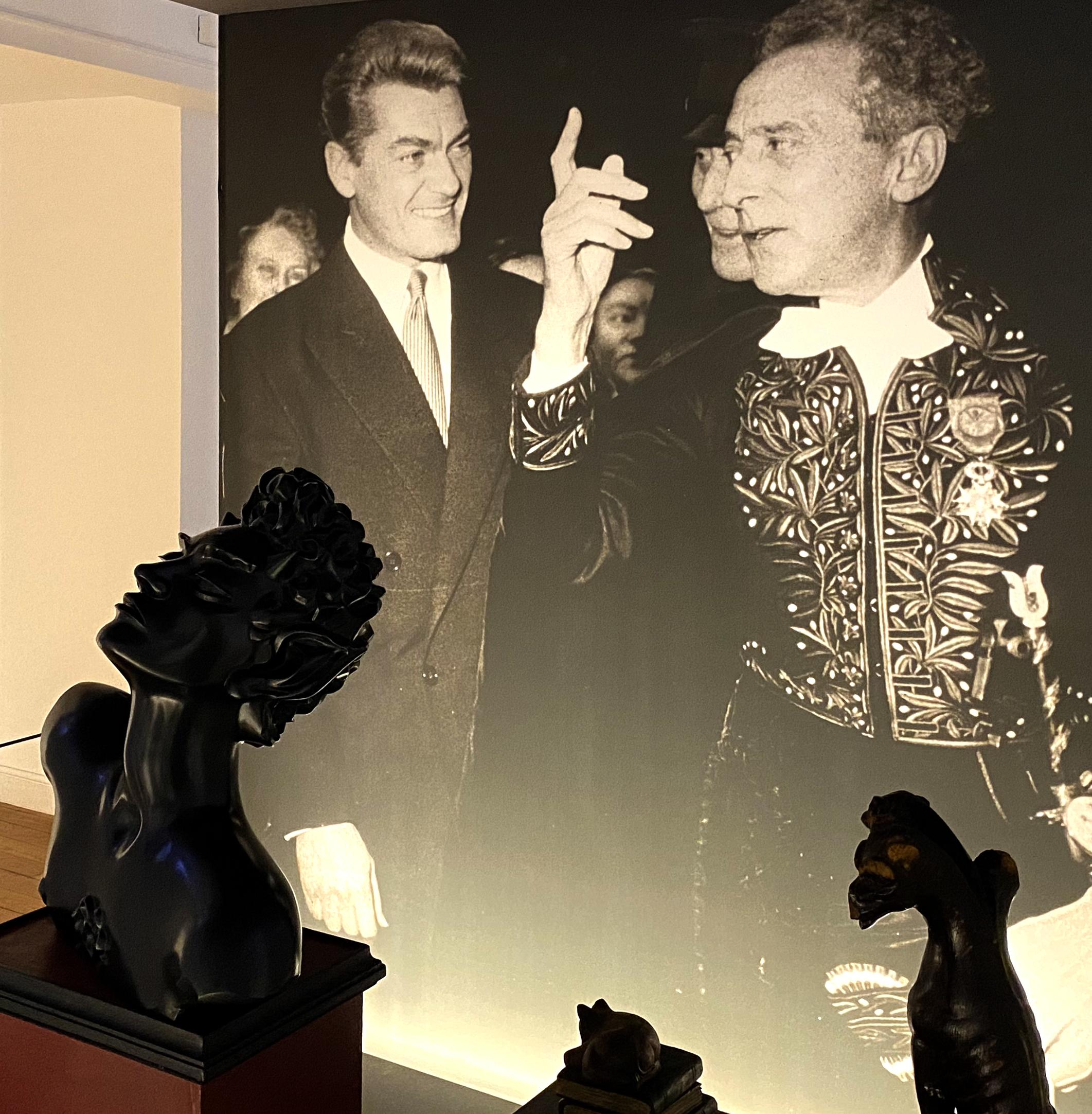
© Maison Jean Cocteau
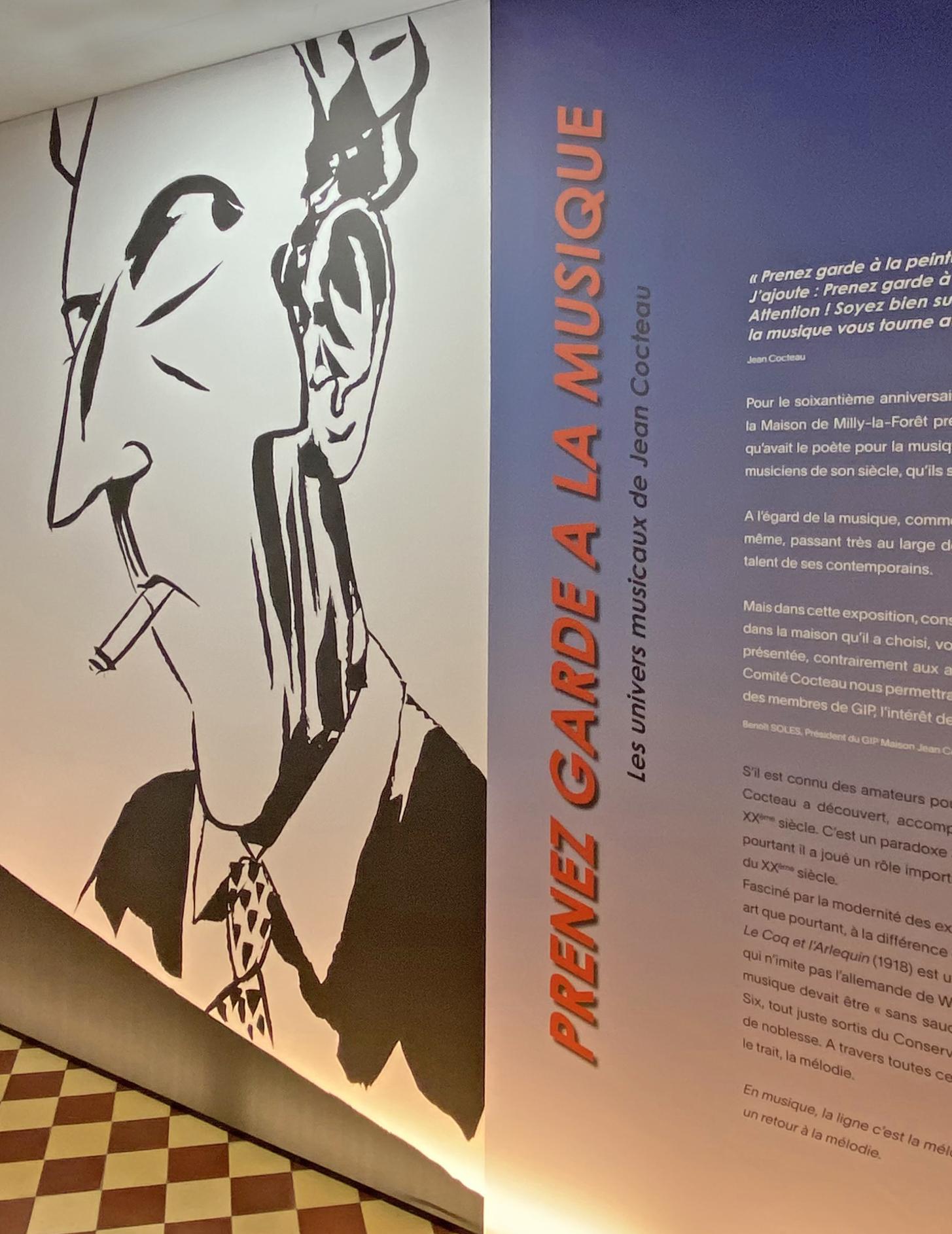
© Frédéric Beauclair
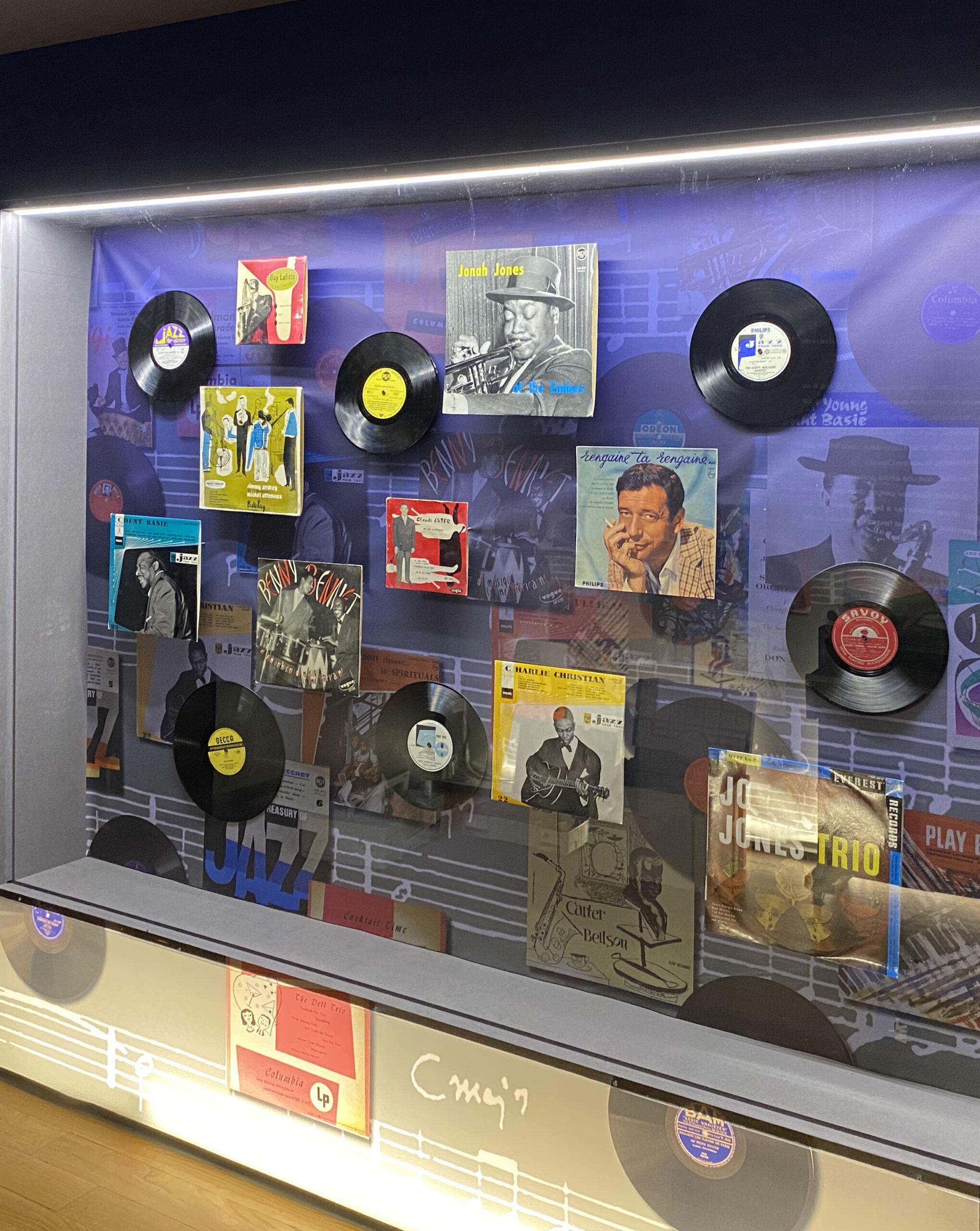
© Frédéric Beauclair
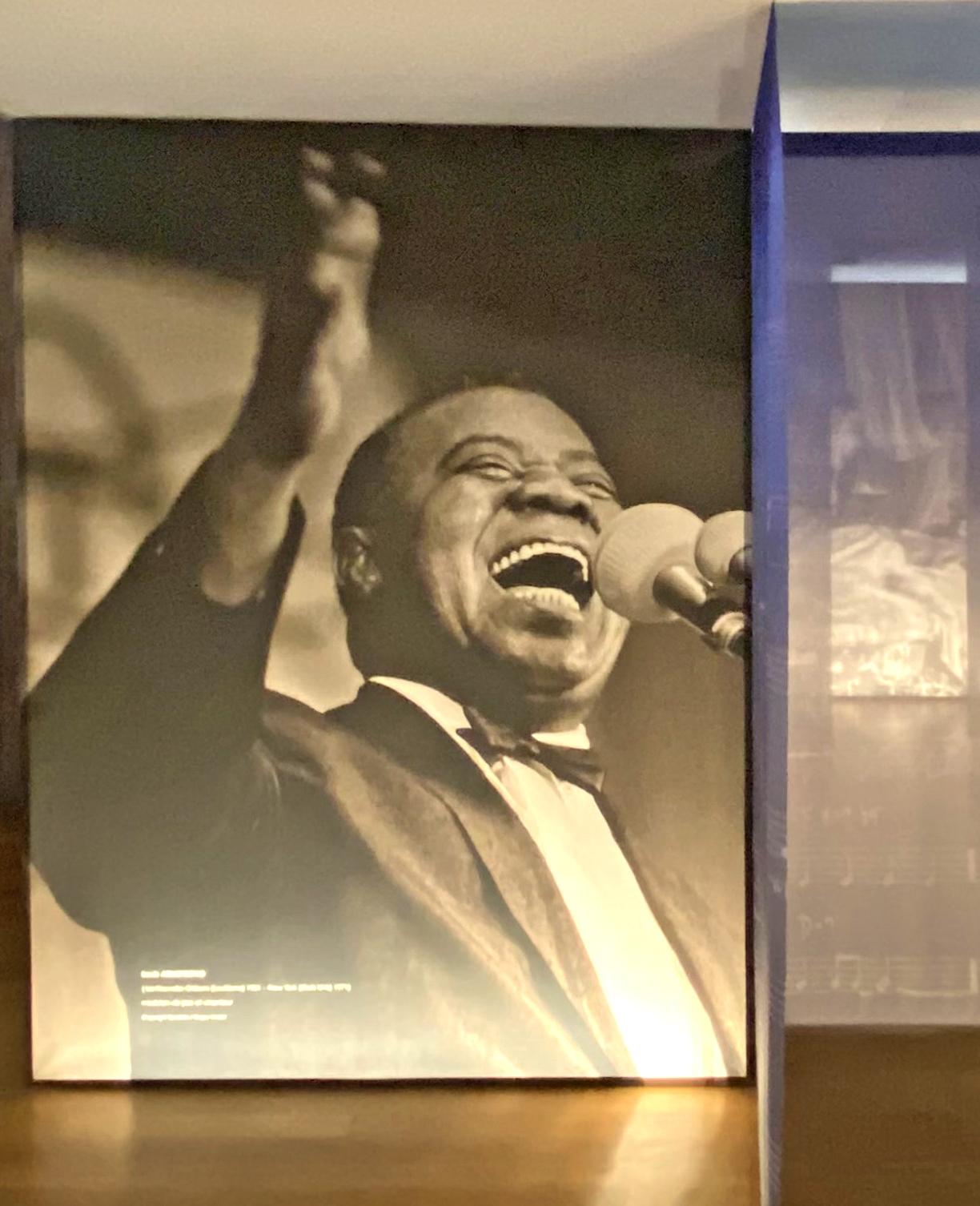
© Frédéric Beauclair
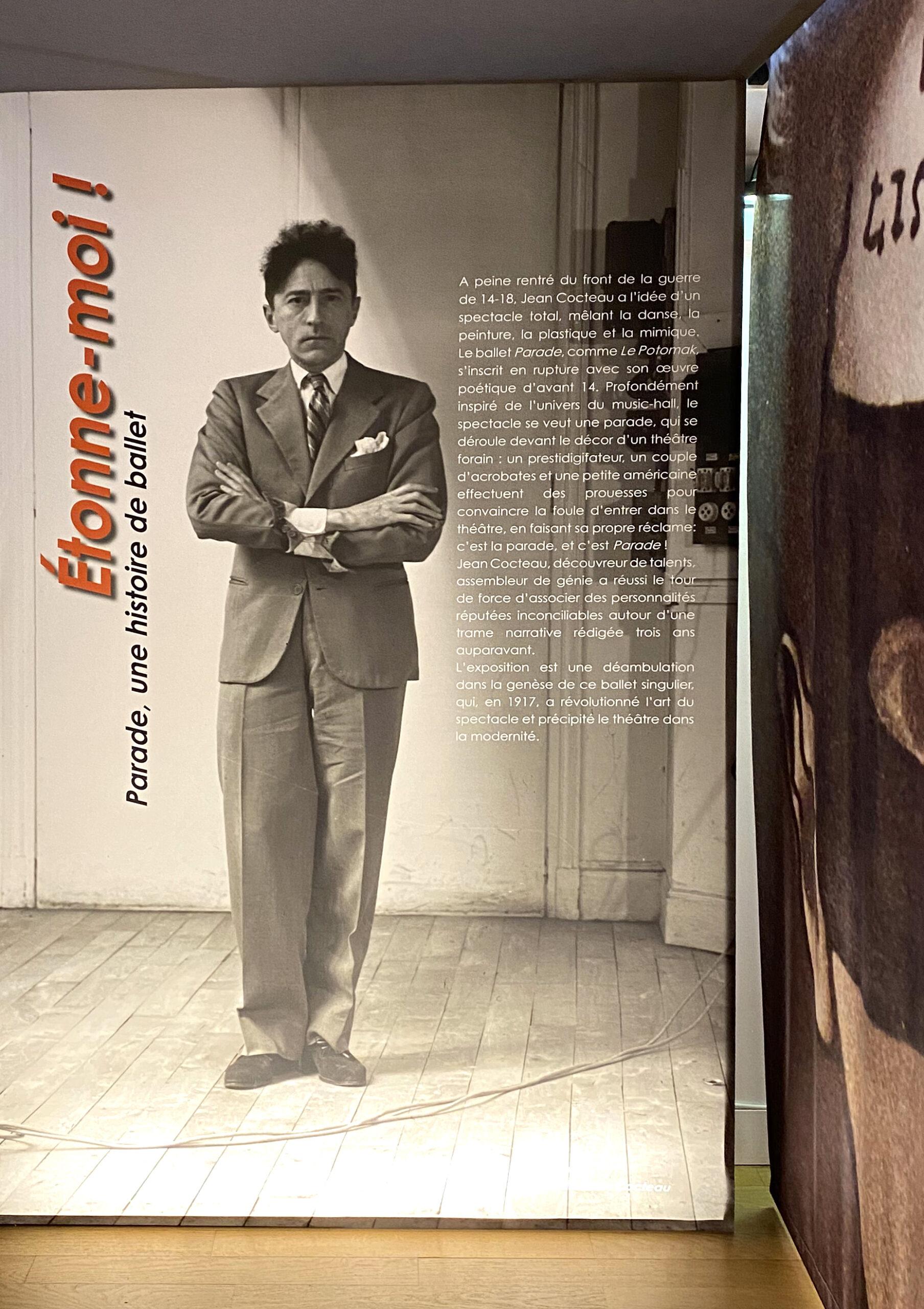
© Frédéric Beauclair
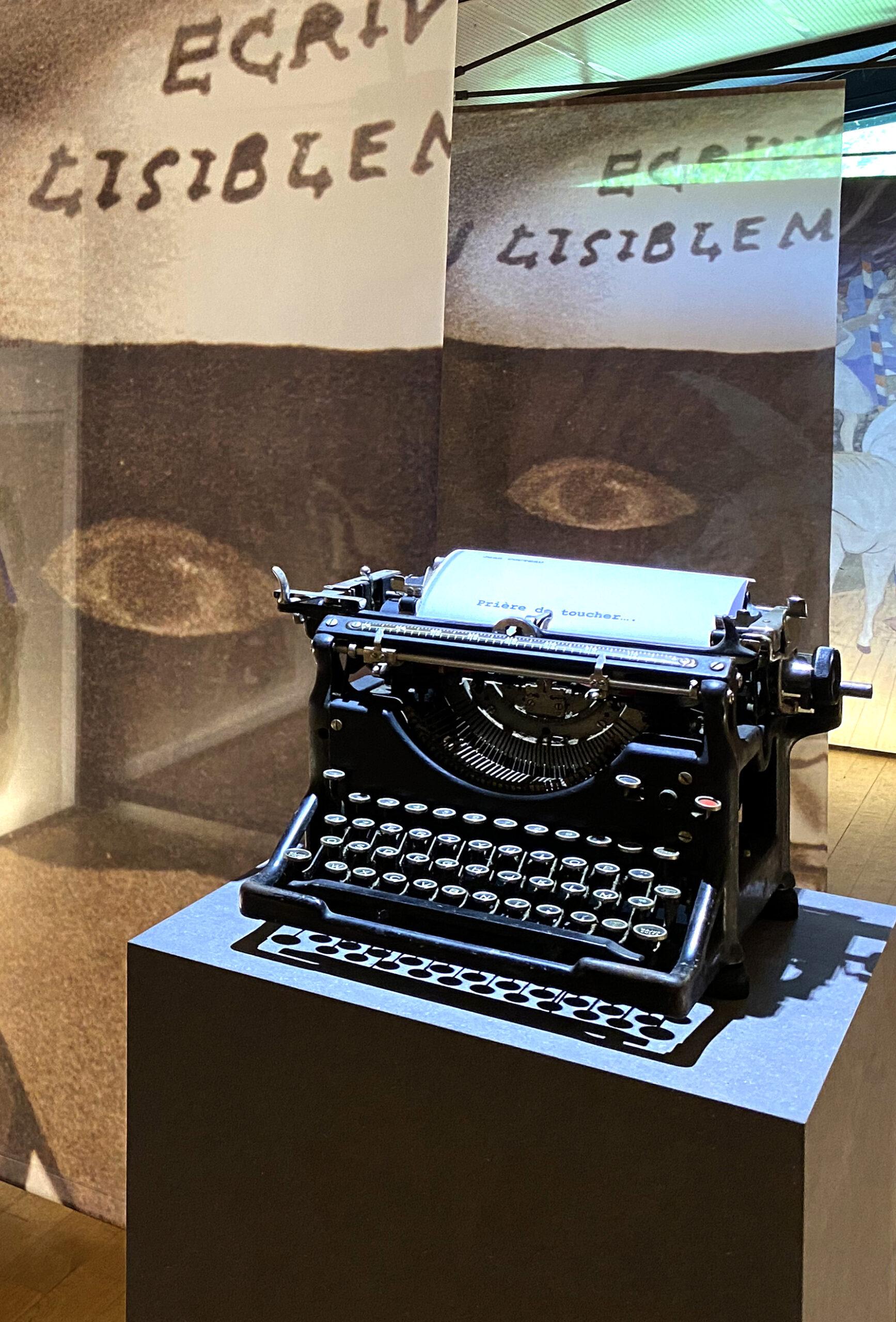
© Frédéric Beauclair
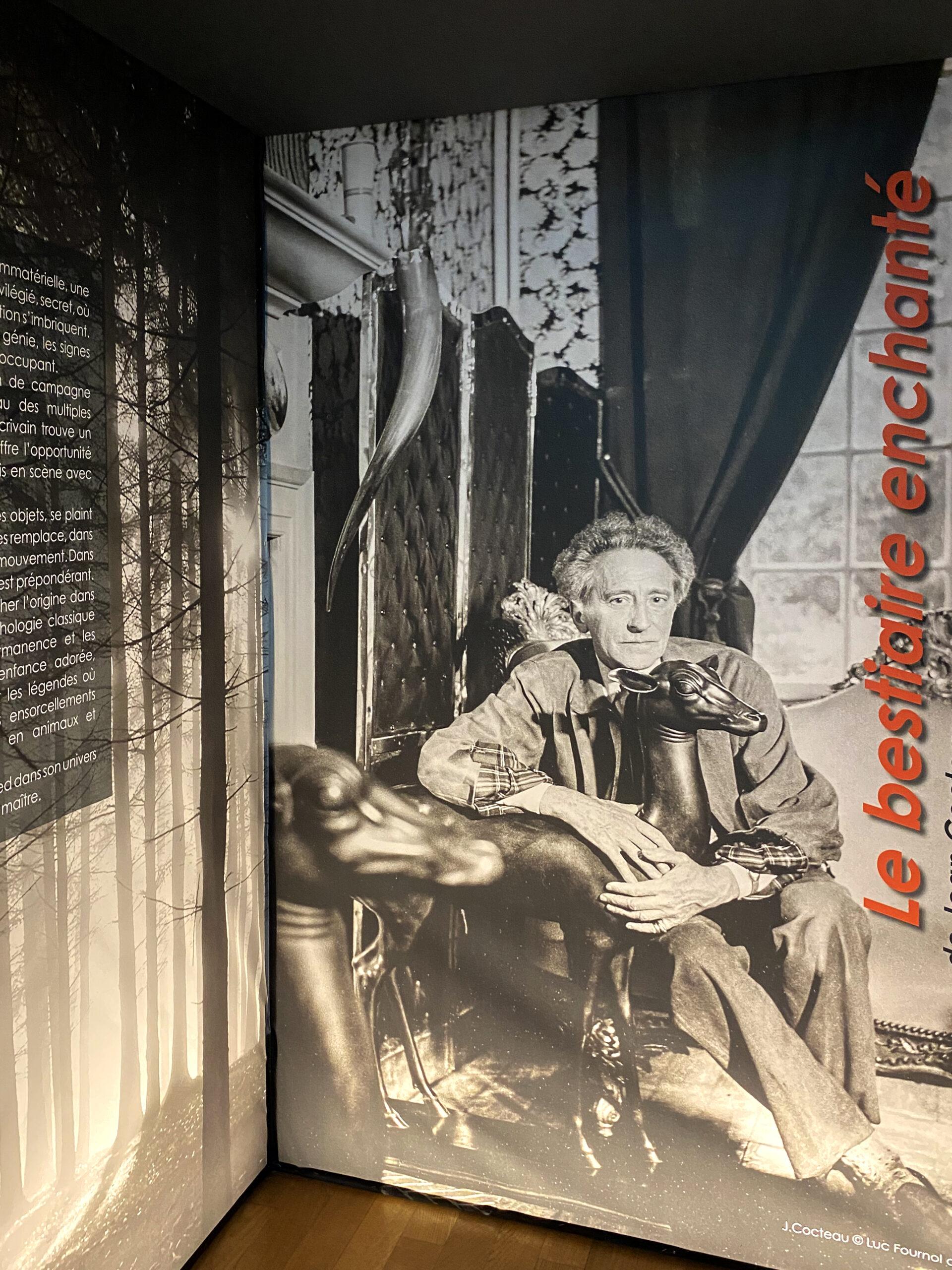
© Frédéric Beauclair
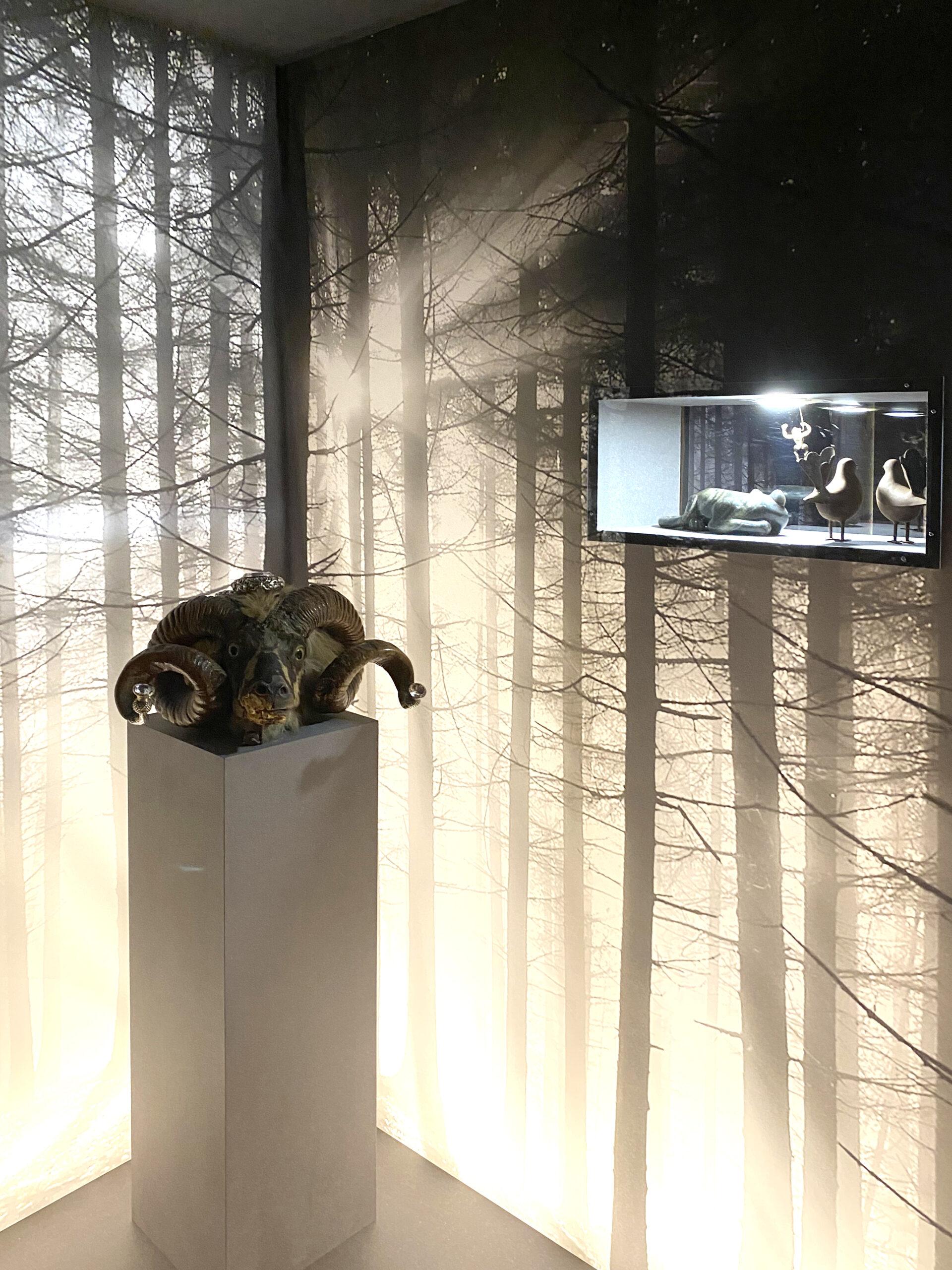
© Frédéric Beauclair
Curious Objects
A lover of unusual objects and an inveterate collector, Jean Cocteau surrounded himself at Milly with the things he loved. The furniture and objects filling the rooms mirror the poet himself and his taste for beauty. A narwhal tusk sits beside a Gothic-style cabinet; André Gide’s armchair faces the mirror given to him by Coco Chanel. A gift from his friend, the painter and set designer Christian Bérard, a very large drawing of Oedipus and the Sphinx lends the whole an air of a cabinet of curiosities. Part of the drawings once kept in the House were transferred to the State in lieu of taxes in 2019 and entered the national collections. They are now held at the Musée national d’art moderne (Centre Pompidou).
The Temporary Exhibition Rooms
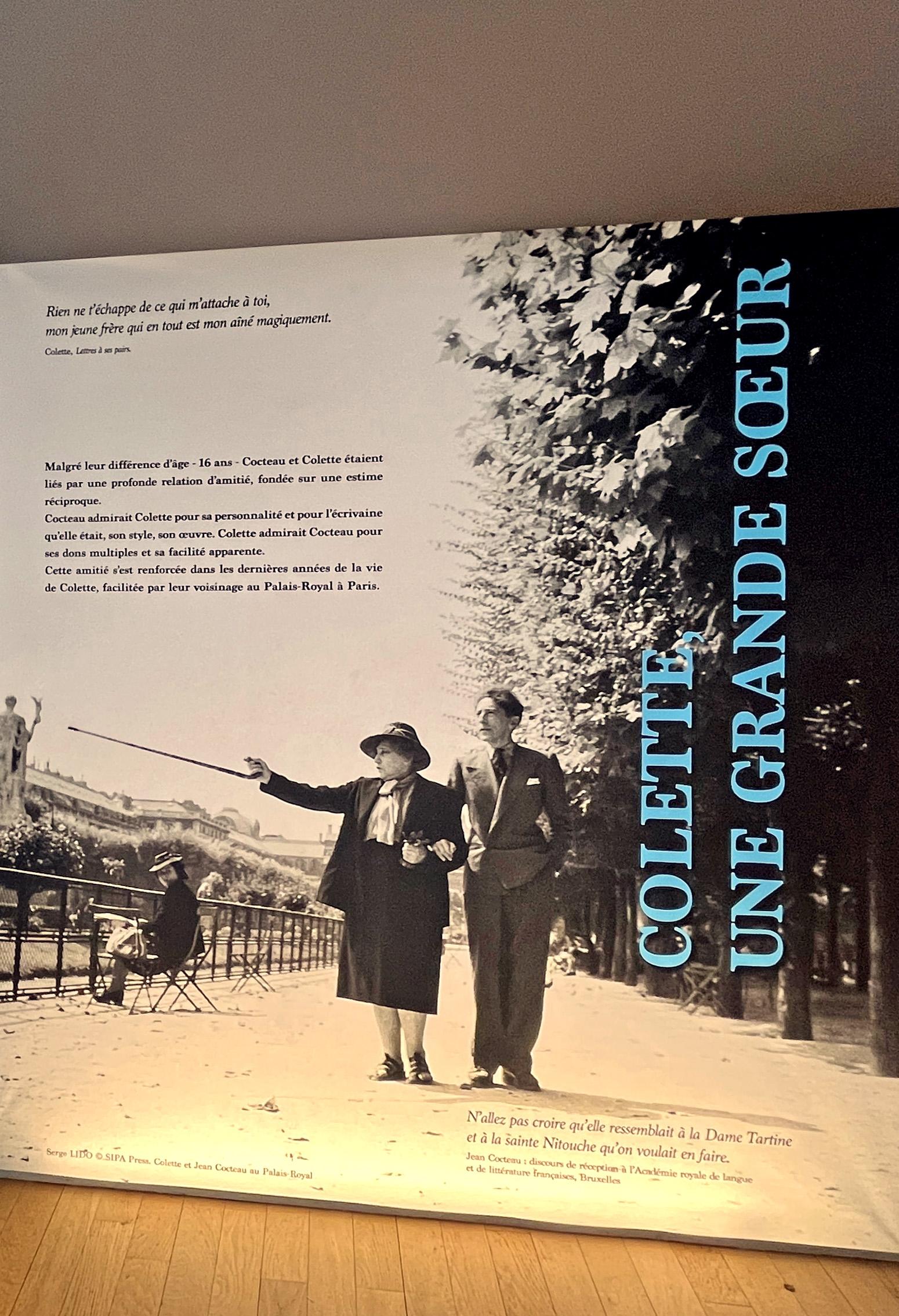
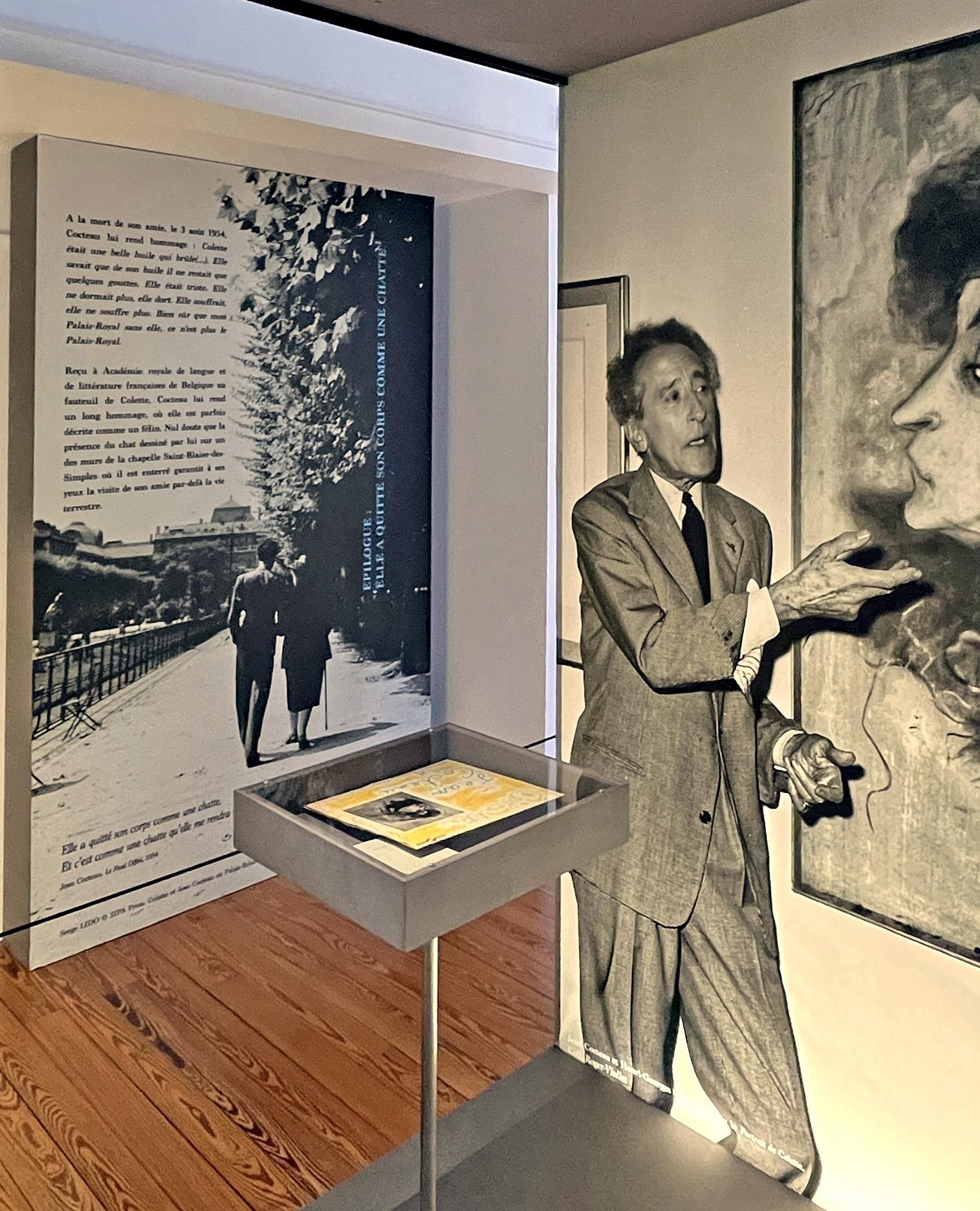
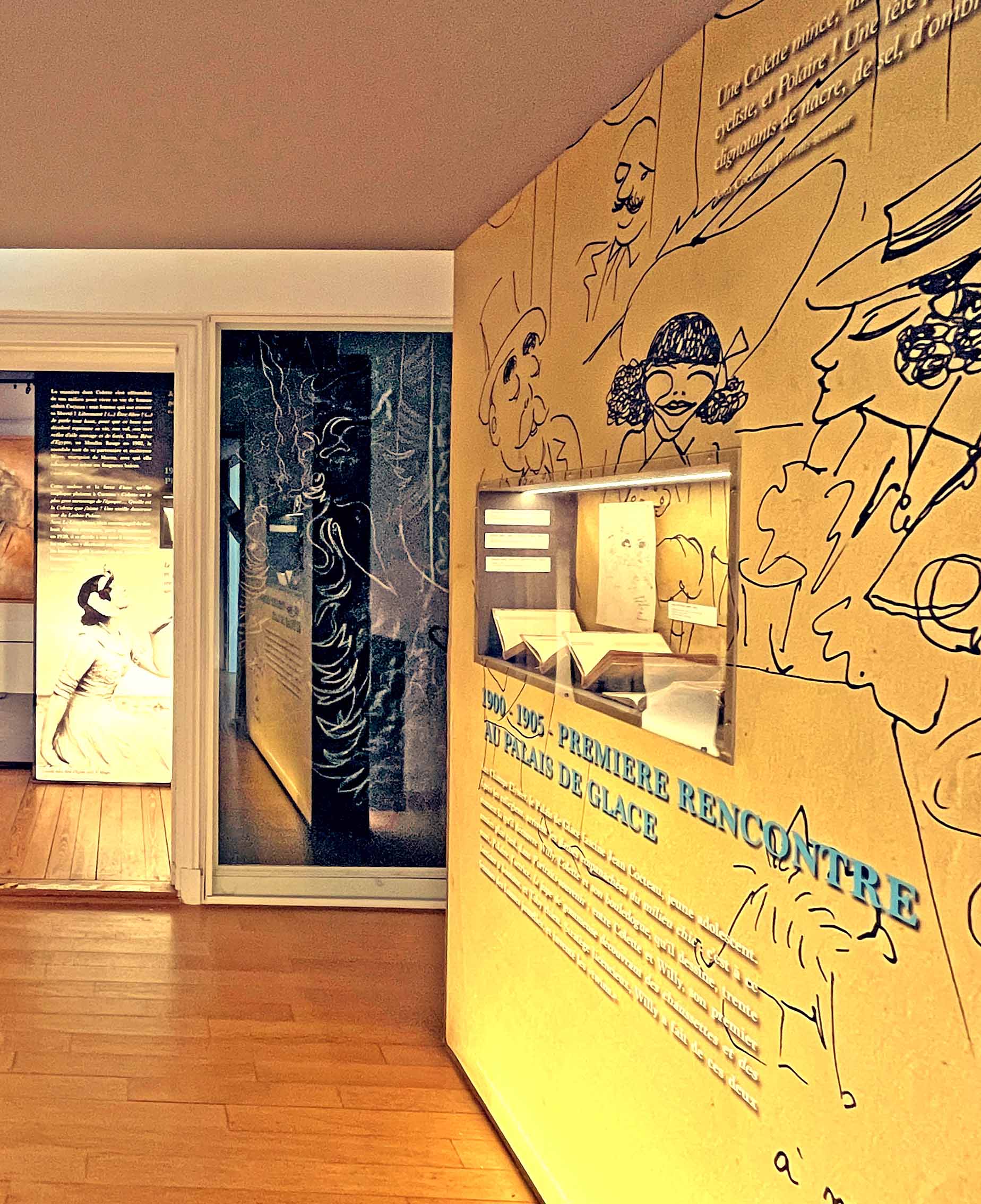
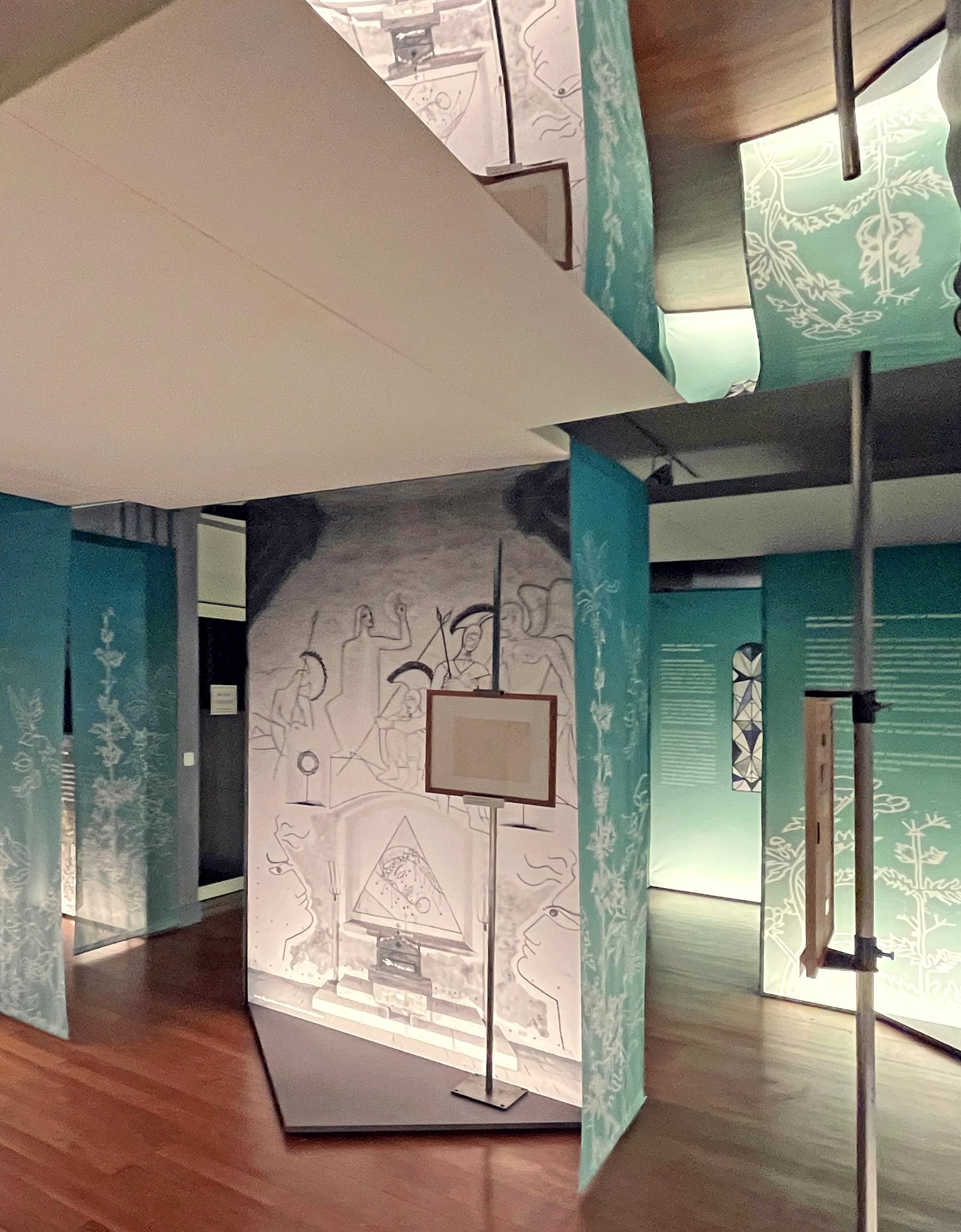
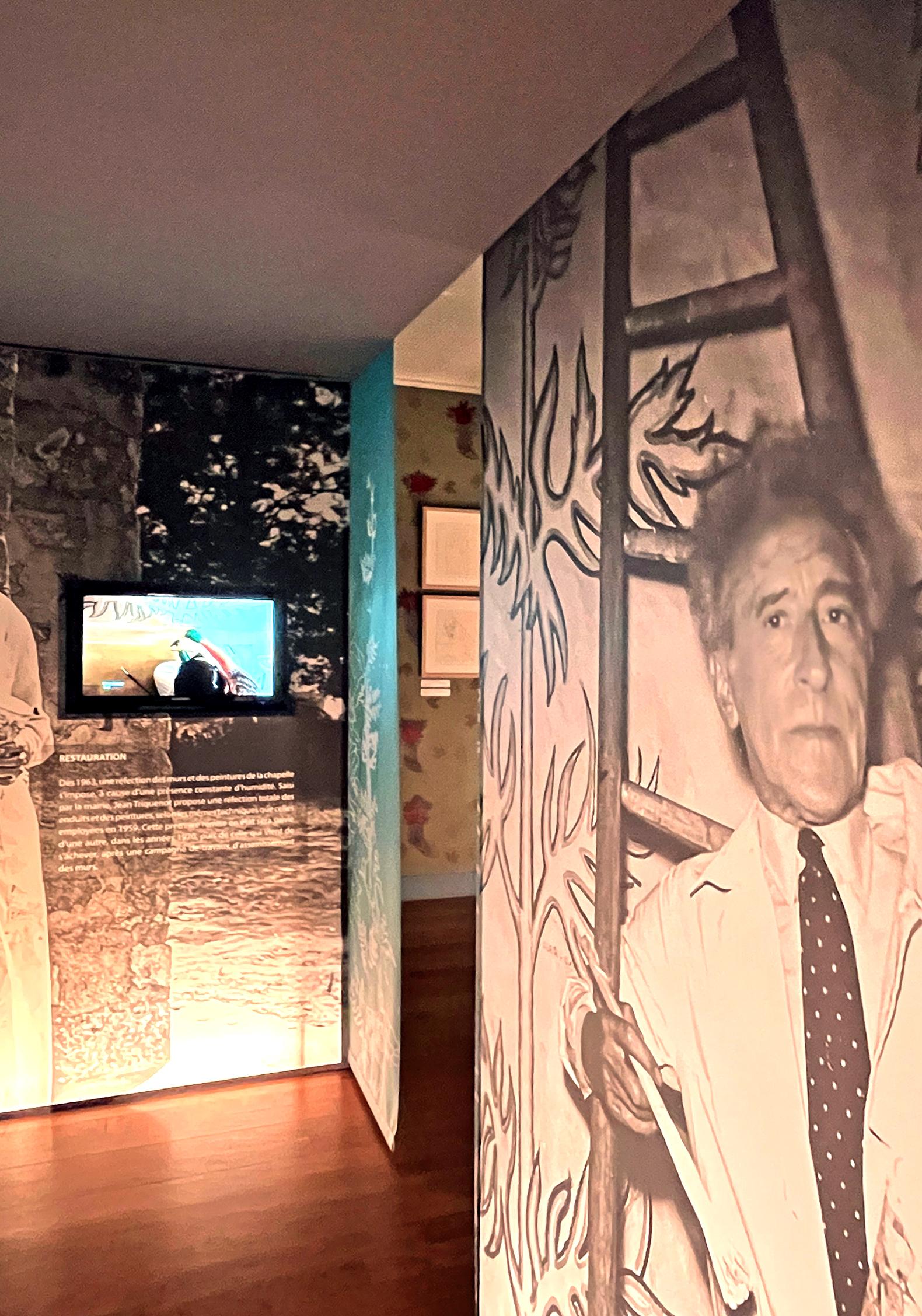
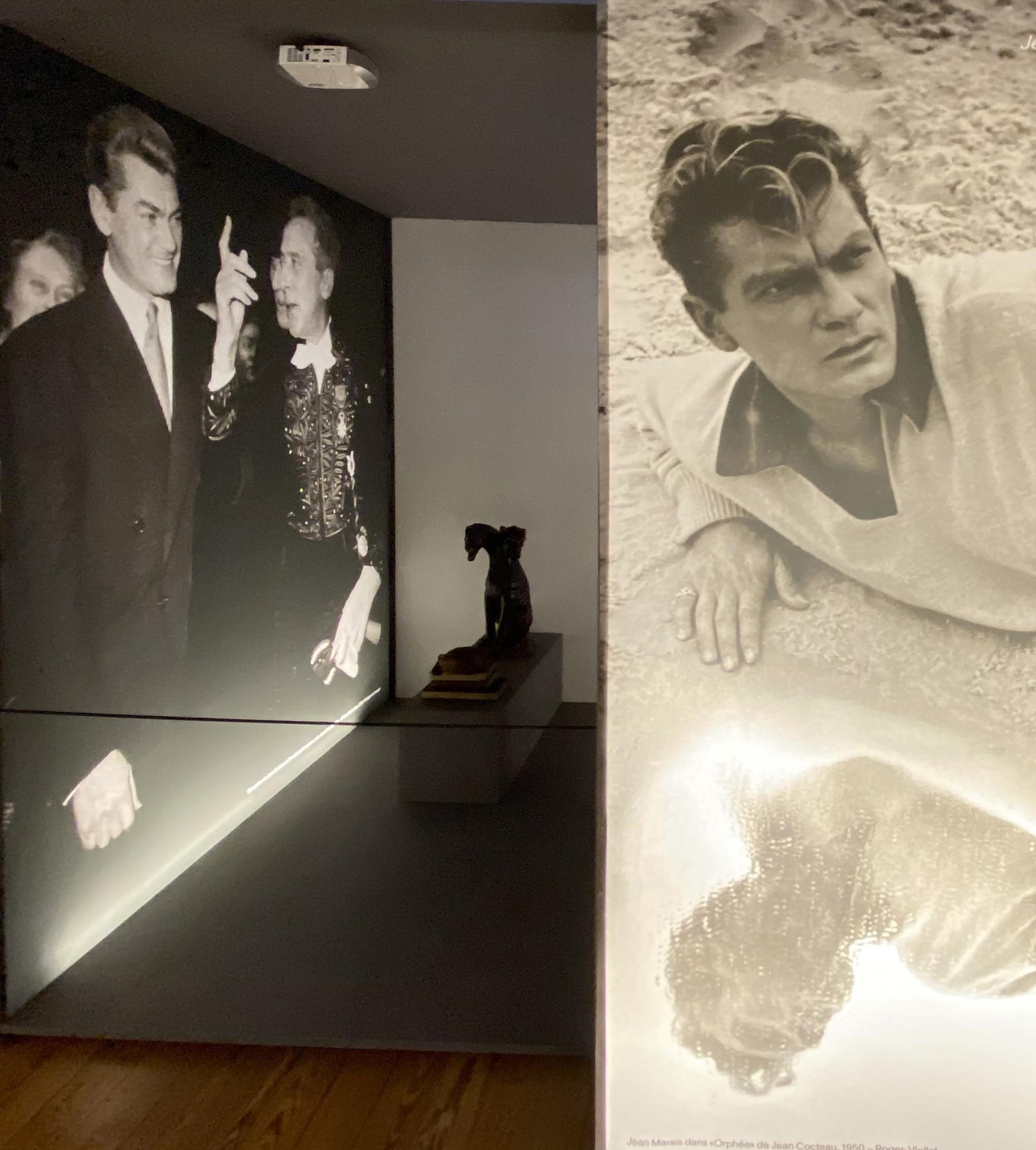
Part of the first floor has been turned into an exhibition space, so that visitors can discover a new temporary exhibition each year. A flexible space, its walls painted by the artist Jackie Hyde, open on each side and restaged for every exhibition, it invites visitors to wander and discover at their own pace. A screening room offers the chance to end the visit with a film or documentary highlighting Cocteau the filmmaker — surrealist ahead of his time, and admired by the Nouvelle Vague.
The second floor houses Jean Marais’s bedroom, now also transformed into a temporary exhibition room.
© Maison Jean Cocteau
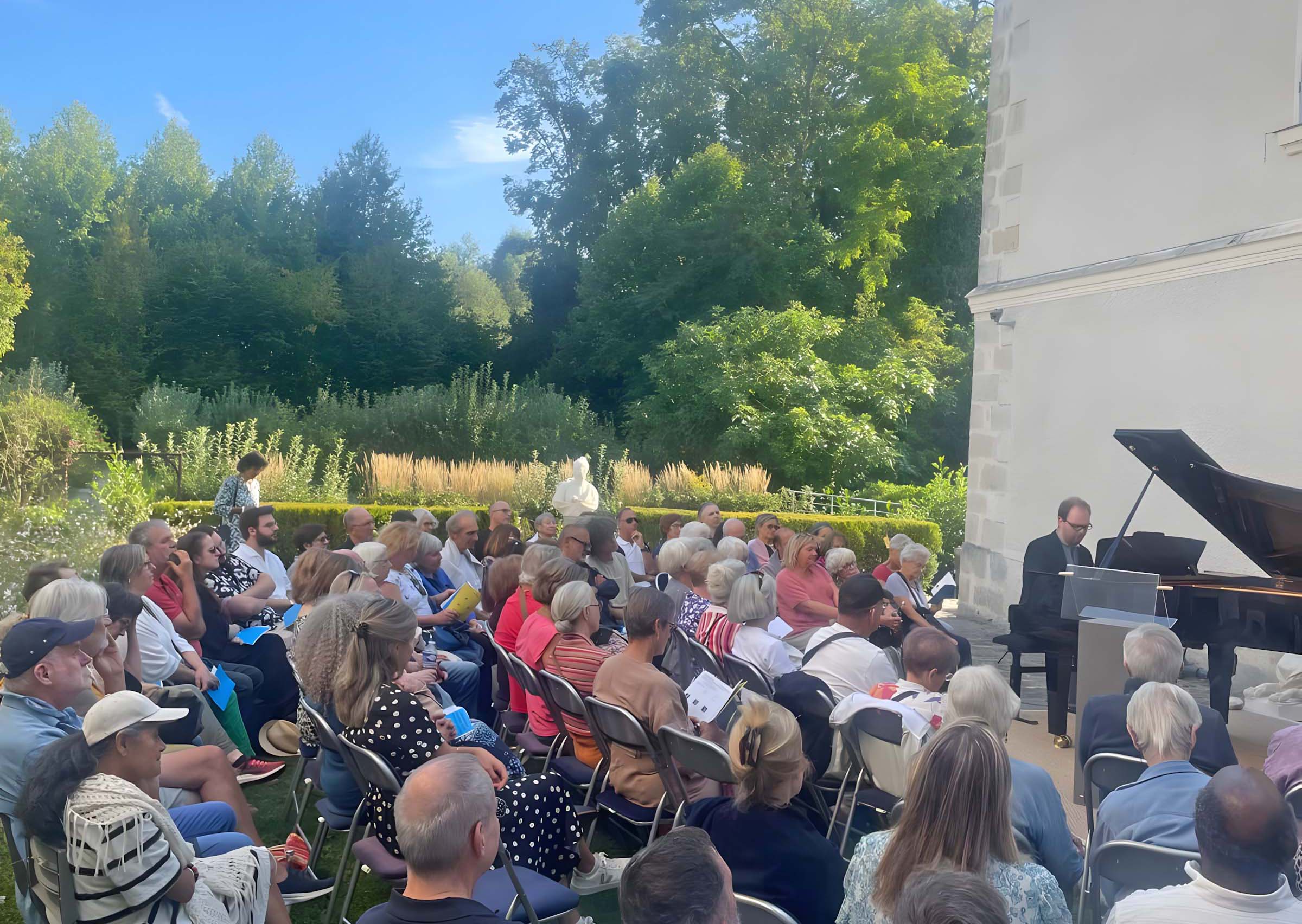
Les Samedis Musicaux chez Jean Cocteau, © Maison Jean Cocteau
© Maison Jean Cocteau
The Garden
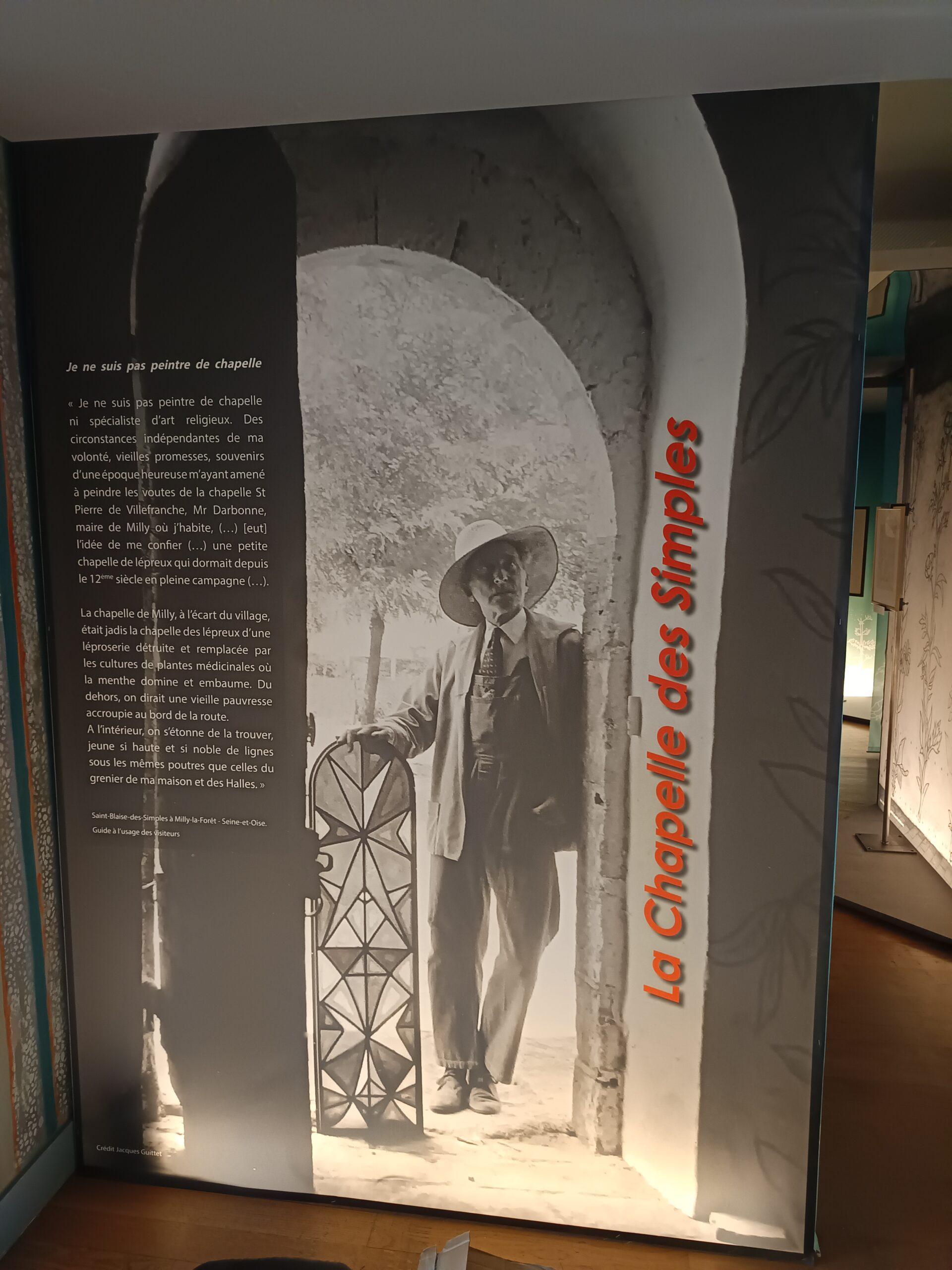
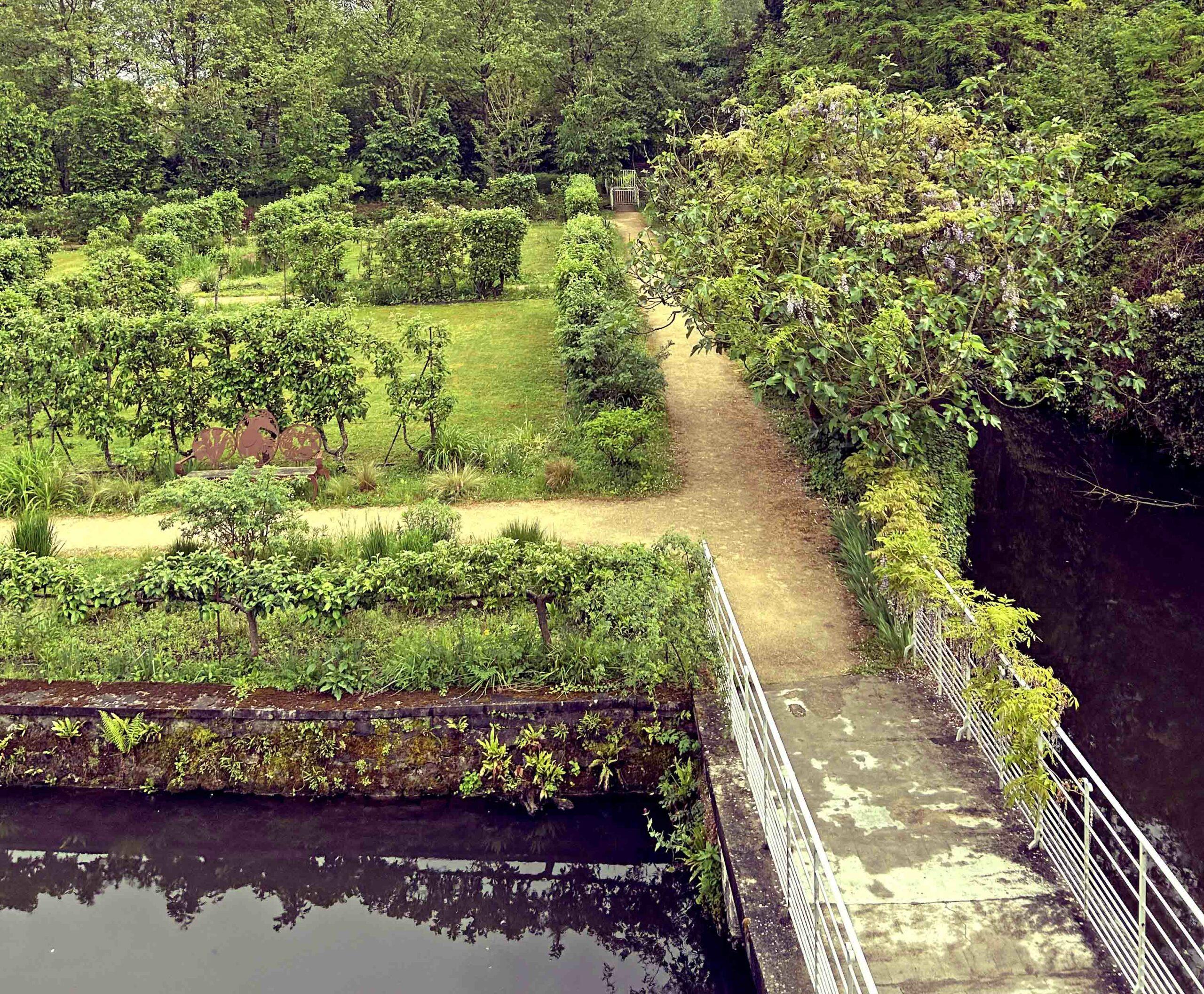
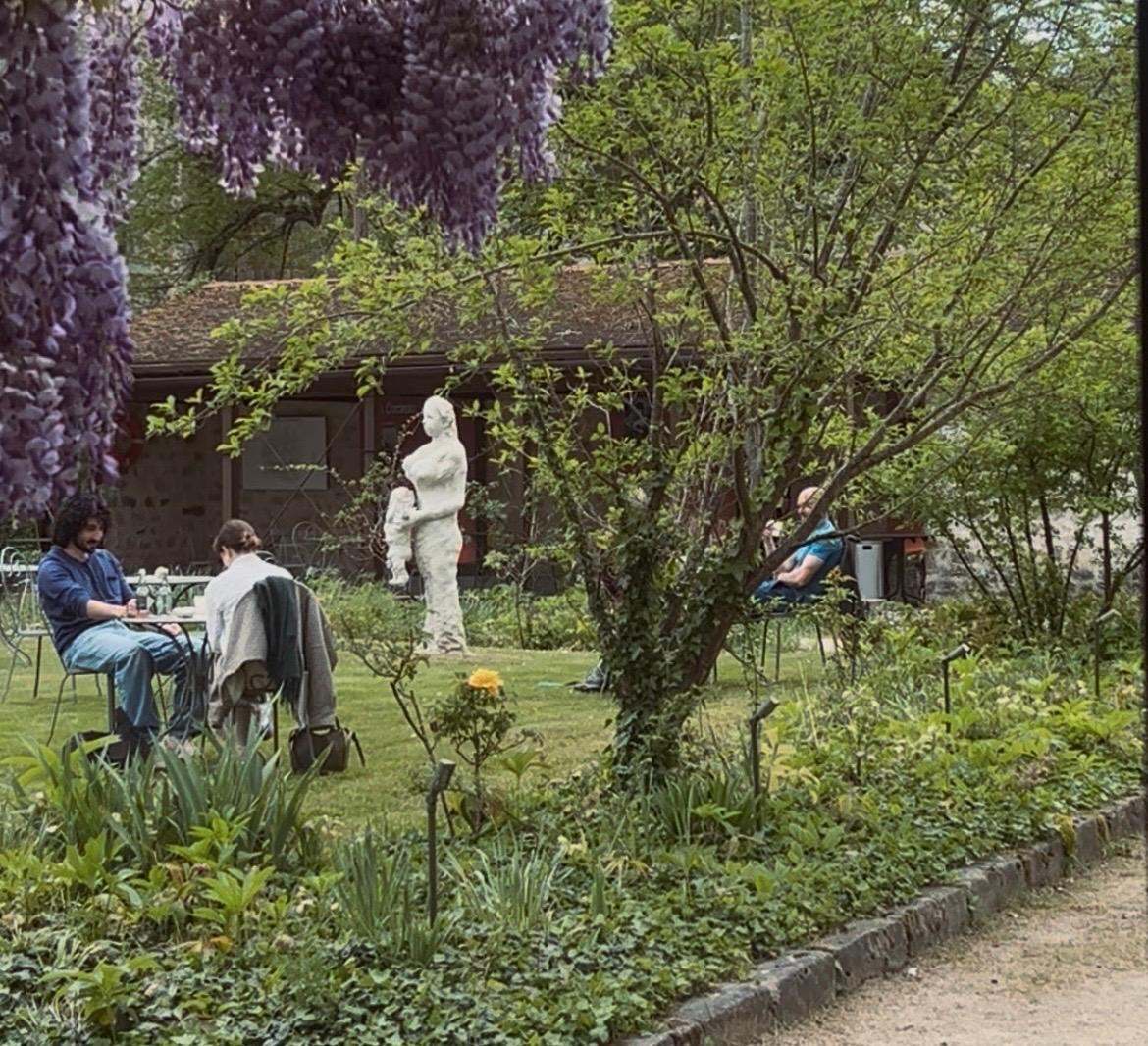
With each turning season, the garden transforms itself. Traced by the moat of the Château de la Bonde, it offers a wander through a richly living flora. In spring, freesias, peonies, and irises come into their own; in summer, the roses take over; autumn belongs to the anemones, winter to the hellebores. The sheer variety of species will delight the most curious wanderer. Several spaces give the garden its shape: in front of the House, a pear tree rises at the center of a bed ringed with flowers; behind it, the sculptures so dear to Jean Cocteau hold court in what was once the kitchen garden. Beyond the little bridge lie the orchard and its four apple-bordered squares — Reine des Reinettes, Akane, and other Melrose varieties. Wandering among them, one comes upon the medicinal plants — henbane, belladonna, Milly peppermint — which once served the poet as models for the paintings in the chapel. A pause on the deck chairs, tucked in one of the orchard’s quiet corners, awaits those who feel at home there.
Following the example of Jean Cocteau, who once welcomed the village children to play in his garden, the House offers outdoor games for the youngest visitors and those who accompany them.

© Maison Jean Cocteau
© Maison Jean Cocteau
The Refreshment Stand
The Maison Jean Cocteau also welcomes those who simply wish to wander the garden. A refreshment stand offers hot drinks, cool refreshments, and sorbets, alongside a shop that favours what grows and is made close by.
The Shop
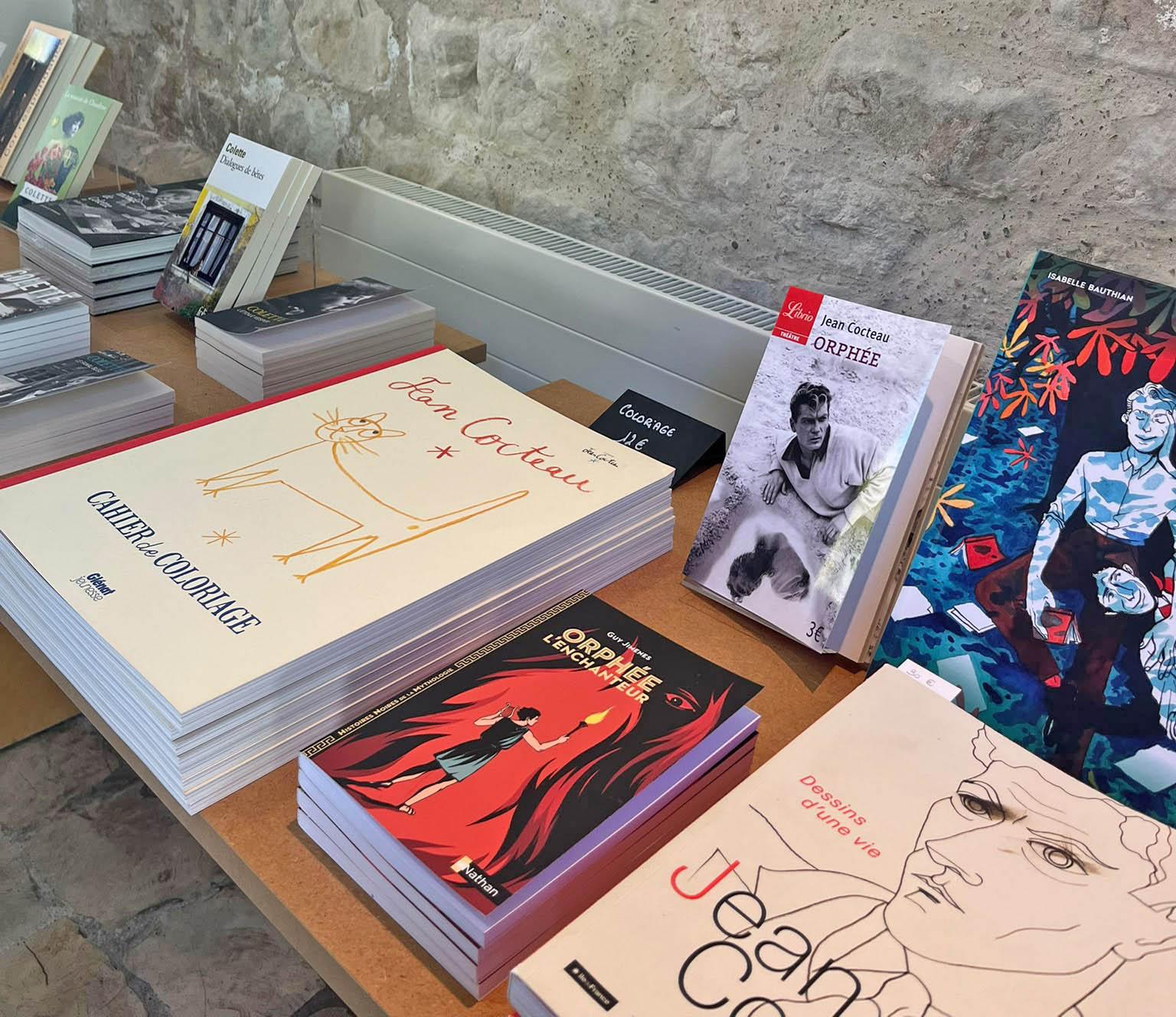
Our little bookshop holds something for every age: novels, plays, the poems of Jean Cocteau, writings on the poet himself, and books for children too — there’s a story here for every taste. The shop also gathers a fine array of local treasures: honey, herbal teas, syrups, sweets, and drinks from the region.
Don’t leave without a taste.